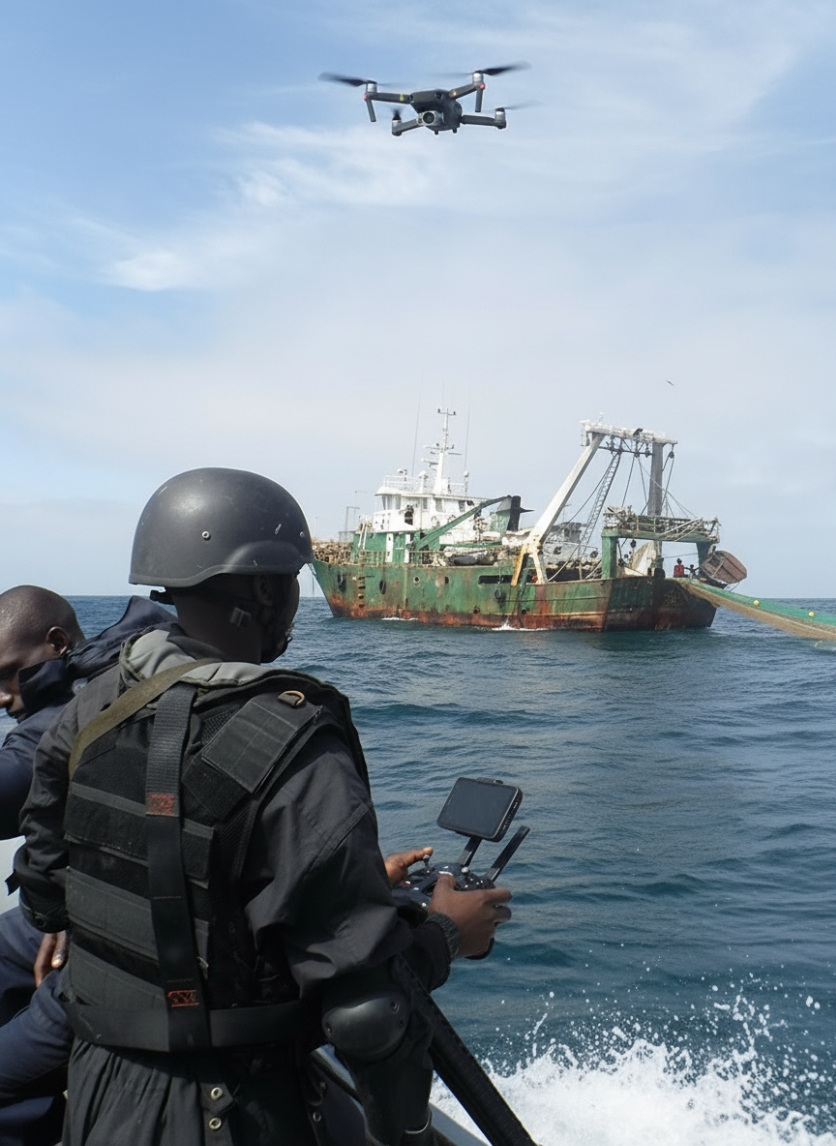

Capability design, workforce development, supply-chain assurance and program delivery.
Sovereign Uplift helps governments, industry and communities build unmanned capability they can own, operate and sustain.
With team members across the Middle East, Europe, Australia, Asia and North America, MI(U) brings current operational insight, supplier awareness and technical knowledge that conventional government structures struggle to maintain. We connect emerging global practice with local delivery — turning ambition into fielded, sovereign capability.
Define the requirement, operating environment and pathway to capability. We help partners make informed decisions on systems, operating concepts, workforce and sustainment.
Identify supplier risk, assess sourcing options and develop resilient procurement pathways. We help clients understand where systems come from, what dependencies exist and how local supply can be strengthened.
Build the people behind the capability. Our programs support operators, maintainers, mission planners, builders and trainers to ensure knowledge remains with the user.
Move from concept to implementation. MI(U) supports trials, pilot programs, procurement, integration, scale-up and long-term sustainment.
Where appropriate, we help establish local assembly, maintenance, repair, integration and manufacturing capability — reducing dependency while creating enduring economic value.
MI(U) focuses on what works.
We identify, assess and apply proven unmanned technology from across the global ecosystem — not untested concepts, speculative programs or capability for its own sake.
Our team works close to the environments where systems are being developed, adapted and fielded. This gives partners access to contemporary lessons, proven technologies and practical supply pathways that have already demonstrated relevance in the real world.
By prioritising proven capability before bespoke development, MI(U) reduces technical risk, shortens the pathway to deployment and gives stakeholders greater confidence that investment is directed toward systems that can deliver.
Where a critical gap exists, we develop only what is needed. But our starting point is always the same: identify what works, understand why it works, and bring it to those who need it.
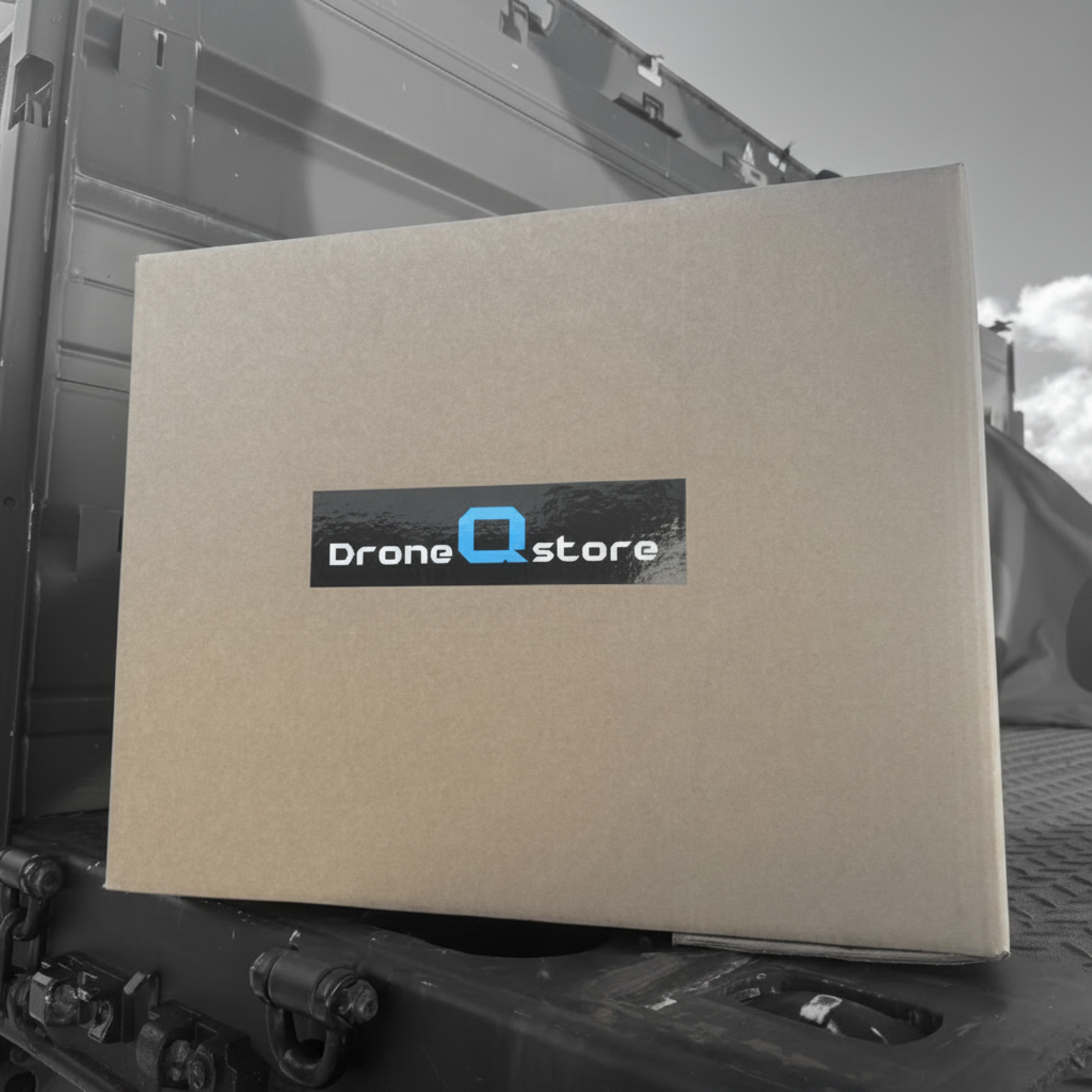
DroneQstore gives trusted global suppliers a defence-ready route to market without requiring separate sales, e-commerce, customer-service and logistics infrastructure across every region.
We create and manage a dedicated shopfront for your capability, ensuring your brand, product information and compliance position are represented accurately while DroneQstore manages the customer and delivery journey on your behalf.


Clear answers to the common queries about our services.
MI(U) is an unmanned-systems company focused on helping governments, industry and communities access, build and sustain relevant unmanned capability. We combine global sourcing, sovereign uplift and applied research to turn real requirements into practical capability.
MI(U) works with governments, defence and security organisations, industry, critical-infrastructure operators, partner forces and communities with legitimate requirements for unmanned capability.
MI(U) is built around what works. We draw on operational experience, global supplier networks and contemporary technical insight to identify proven capability, reduce technical risk and help partners move from requirement to deployment faster.
No. While MI(U) has strong defence and operational foundations, our work also supports government, industry, critical infrastructure, remote communities, maritime operations, disaster response and other legitimate applications of unmanned systems.
Sovereign Uplift is MI(U)’s approach to helping partners build capability that remains theirs. It includes advisory, supply-chain due diligence, training, project delivery, local assembly, sustainment and industrial development pathways.
DroneQstore is MI(U)’s restricted-access UxS procurement marketplace for approved users. It provides access to a growing global network of systems, components and suppliers, with a focus on operational relevance, supply-chain transparency and resilient procurement pathways.